
The Callejón del Beso measures just 68 centimeters wide, creating a space where balconies on opposite sides nearly touch. Walking through this narrow passage feels like stepping into a time capsule where tragedy and romance collided centuries ago.
More about Callejon del Beso:
- Callejon del Beso Tours
- The Alley of the Kiss (Callejon del Beso): Everything You Need to Know About Guanajuato’s Most Romantic Landmark
What Makes Callejón del Beso More Than Just a Tourist Stop?
The alley exists because of tragedy, not engineering. According to local traditions Alley of the Kiss preserves, Carmen, daughter of a controlling father, fell for Luis, a humble miner. When her father discovered their romance, he locked Carmen away and threatened to marry her off to a wealthy Spanish nobleman.
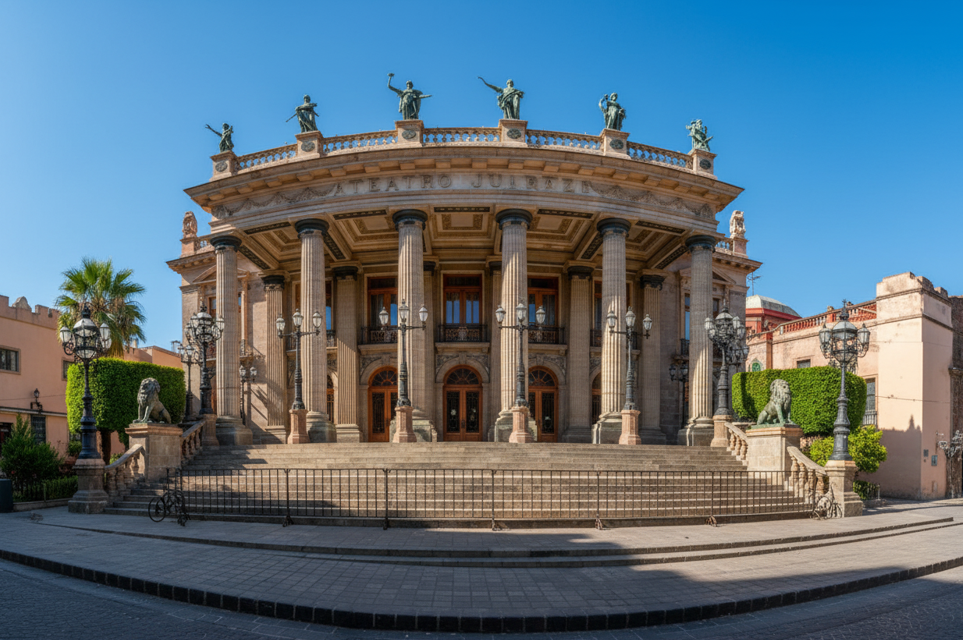
Teatro Juarez in Guanajuato, Main Venue for Cervantino Festival
Luis purchased the house directly across from Carmen’s window. From balcony to balcony, the lovers continued meeting in secret. One night, Carmen’s father caught them together. In a rage, he drove a dagger into his daughter’s chest. Luis held Carmen’s hand as she died, giving her one final kiss across the narrow alley divide.
The story varies depending on who tells it. Some versions say the miner’s name was Carlos. Others claim he later threw himself from a mine shaft, unable to live without Carmen. But every version ends the same way—with a kiss sealed across death itself.
The Third Step Tradition: Seven Years of What, Exactly?
Couples who kiss on the third step risk seven years of bad luck in love if they skip the tradition, while those who participate receive seven years of happiness.
The third step is painted red and sits roughly halfway up the stairs. Local guides position couples precisely on this spot, creating a moment that feels both authentic and choreographed. Your partner stands on one side of the alley. You stand on the other. The balconies above create the same geometry that Carmen and Luis once shared.
But here’s the reality check: the legend likely emerged in the late 19th or early 20th century during the Romantic literary movement when tragic love stories modeled after European novels became popular folklore. No historical documents confirm Carmen and Luis ever existed. The story gained traction as Guanajuato’s tourism grew after it received UNESCO World Heritage designation in 1988.
Does that make it less powerful? Not if you watch the faces of couples standing on that red step. They’re not just kissing in an alley. They’re participating in something that thousands before them have done—creating their own story inside someone else’s myth.
From Mining Town to Cultural Capital: How Did Guanajuato Transform Itself?
Twenty years ago, Guanajuato was known primarily to Mexican tourists and history enthusiasts. The city had its UNESCO designation, but international visitor numbers remained modest. What changed?
The Festival Internacional Cervantino essentially put Guanajuato on the global cultural map. Since 1972, when the federal government expanded what was originally a small university theater project, Cervantino has grown into Latin America’s largest cultural event. The festival draws more than 2,000 artists from more than 30 countries, bringing opera, theater, dance, music, and visual arts to this colonial city of about 200,000 residents.
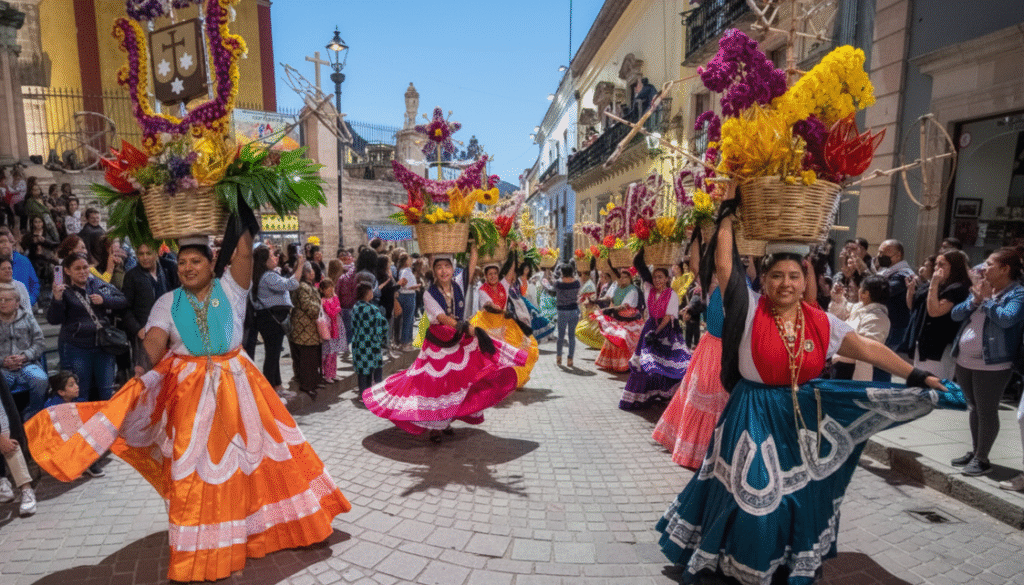
Vibrant Mexican Festival Parade with Women in Traditional Dresses Carrying Flower Baskets
But there’s a flip side. Tourism-driven gentrification has reshaped the city’s demographics and economy. The historic center now caters heavily to tourists and wealthy property buyers. Long-time residents have been pushed to peripheral neighborhoods. What was once an affordable colonial city has become increasingly expensive for locals earning Mexico’s minimum wage of approximately 248 pesos daily ($13 USD).
The city faced a choice: preserve itself as a living community or become a museum town. The answer landed somewhere in between, with consequences still unfolding.
“Guanajuato’s challenge mirrors what Venice and Barcelona face—how do you welcome the world without losing your soul? The callejoneadas and festivals work because locals still participate actively. The moment they become solely performative, the city will have crossed a line.”
Where Do Callejoneadas Actually Start and How Much Do They Cost?
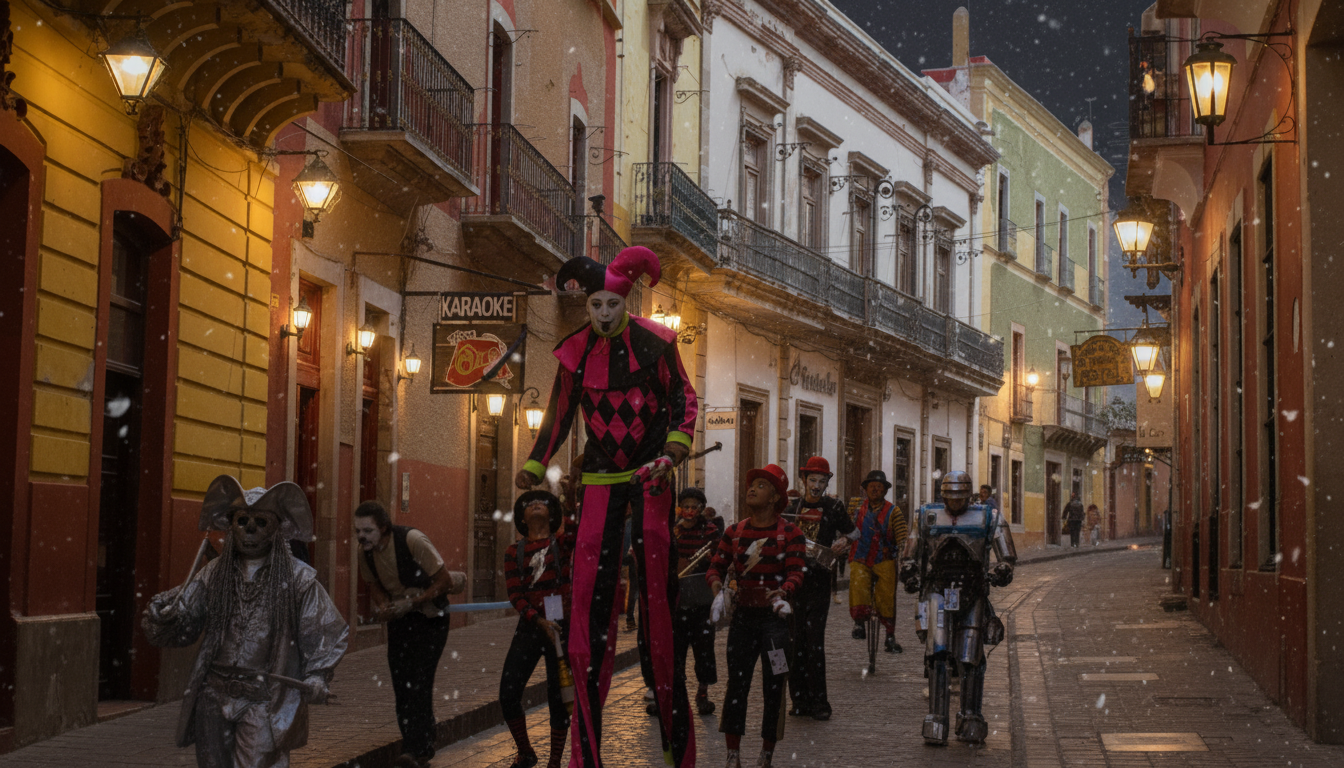
The callejoneadas begin at the Atrio del Templo de San Diego, a 17th-century Churrigueresque-style church located directly in front of Jardín de la Unión, the city’s main plaza. This is your meeting point, typically around sunset or after dark.
The traditional callejoneada Guanajuato romance experience lasts approximately 75-90 minutes. An estudiantina—a musical ensemble wearing colorful traditional costumes—leads groups through narrow alleys, stopping to tell legends, sing romantic serenades, and encourage participants to dance. The entire procession culminates at the Callejón del Beso, where guides dramatically recount the legend while couples position themselves for the famous third-step kiss.
Prices sit around 150 pesos per person ($8 USD) when purchased directly from estudiantina representatives in the Jardín de la Unión, or $12-18 USD when booked through platforms like GetYourGuide or Viator. The higher online price includes advance booking convenience and English-language customer support.
About half the performance happens in Spanish, but the music and energy transcend language barriers. Keep in mind that vendors will offer roses, drinks, and photos throughout the walk—these extras typically cost $5-8 each and are optional but culturally expected if you want the full romantic experience.
Three practical notes for first-timers:
- Wear comfortable walking shoes with good grip. The cobblestone streets and steep steps will punish anyone in heels or dress shoes.
- Tours run rain or shine during most of the year. Bring an umbrella during rainy season (May-October).
- Multiple estudiantina groups compete for customers—Estudiantina Imperial, Estudiantina Guanajuato, Distrito Universitario, and Compostelana are the main ones. They all follow similar routes but have different personalities and music styles.
The Three Biggest Mistakes Visitors Make in Guanajuato
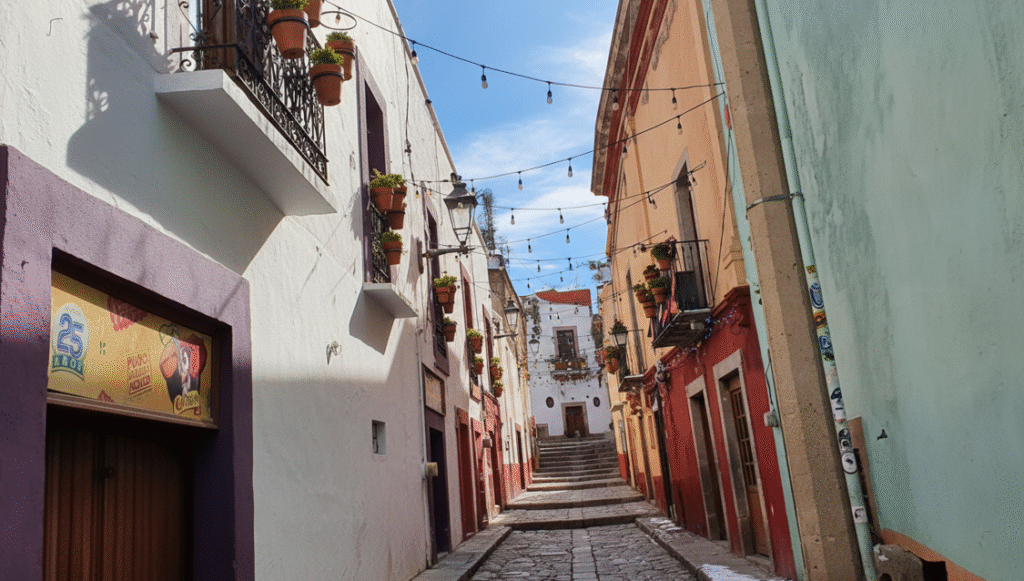
Callejón del Beso in Guanajuato, The Famous Alley of the Kiss
Mistake #1: Visiting during Festival Cervantino without advance planning
The festival sounds exciting, and spontaneous travel feels adventurous.
Cervantino festival runs from October 10-26 and transforms the city completely. Hotel prices triple from normal rates of $50-80/night to $200-300/night. Rooms sell out three to four months in advance. Restaurant wait times extend to 2+ hours at popular spots. Streets become impassably crowded during peak evening hours.
A week-long trip that normally costs $800 becomes a $2,000+ endeavor. You might end up staying in León (30 miles away) and commuting daily, spending $40-60 on round-trip taxis. You’ll miss many performances because venues sell out. Half your time gets consumed managing logistics instead of experiencing culture. Most frustrating—you’ll pay premium prices for a stressed, rushed experience when visiting any other week would deliver better value and enjoyment.
Mistake #2: Limiting your visit to just the Callejón del Beso
Social media makes the alley look like Guanajuato’s main attraction.
The alley itself extends only about 20 meters and consists mostly of steep steps. You can see it in five minutes. The real magic happens in the surrounding experience—the Teatro Juárez’s 19th-century architecture, the Alhóndiga de Granaditas museum (where independence heroes were imprisoned), the underground street system built on old mine tunnels, the local markets selling traditional candies and crafts.
You spend 6+ hours traveling to Guanajuato from Mexico City or nearby cities, snap a few photos at the alley, and leave feeling underwhelmed. You miss what makes Guanajuato actually remarkable—its layered history, artistic community, and living traditions. The alley is a symbol. The city is the substance.
Mistake #3: Skipping the callejoneada because “I don’t speak Spanish”
Fear of not understanding creates a barrier.
While conducted entirely in Spanish, roughly 70% of the experience consists of music and dance, which communicate universally. The estudiantina’s energy, the group’s laughter, the movement through atmospheric streets lit by colonial-era lamps—these don’t require translation. The guides use physical comedy and expressive storytelling that works across language barriers.
You miss the single best way to understand Guanajuato’s social fabric. The callejoneada shows you how locals celebrate their city. You see elderly residents watching from their balconies, smiling at the same stories they’ve heard for 50 years. You feel what it means when a place values art and tradition not as museum pieces but as living practices. This isn’t a tourist show—it’s a community tradition that welcomes visitors to participate.
What Actually Happens During Guanajuato Festivals Callejón del Beso Season?
In 1953, Enrique Ruelas of the University of Guanajuato began staging entremeses—short plays by Miguel de Cervantes—in public plazas. The federal government noticed the potential and in 1972 expanded this local tradition into an international cultural festival.
The 2025 edition features between 120 and 140 events, with over 3,400 artists from 31 countries. The United Kingdom serves as Guest Country of Honour in 2025, marking 200 years of diplomatic relations between Mexico and the UK, alongside Veracruz as the honored Mexican state.
Performances happen everywhere:
- Teatro Juárez hosts formal concerts, opera, and large theatrical productions
- Alhóndiga de Granaditas esplanade features outdoor concerts and dance performances
- Plaza San Roque becomes the hub for open-air popular theater
- University courtyards transform into intimate theater spaces
- Templo de la Compañía de Jesús and Templo de San Cayetano host chamber music and choirs
- Side streets become impromptu stages for street performers
About 50% of presentations are free, making high-quality cultural programming accessible to everyone. Paid tickets for major performances range from $15 to $100+ depending on the artist and venue.
The 2025 lineup includes Julieta Venegas performing with the University of Guanajuato Symphony Orchestra, London Sinfonietta, Kid Koala, Opera Elektra, and dozens of other acts spanning classical music to experimental contemporary performance.
Callejón del Beso Festivals vs. Cervantino: Which Delivers More Value?
| Aspect | Festival Cervantino | Callejoneadas |
| When | October 10-26 annually | Year-round, nightly |
| Cost | Free to $100+ per ticket | $8-18 per person |
| Crowd Level | Extremely crowded | Moderate to busy |
| Language Barrier | Varies by performance | Mostly Spanish but universally enjoyable |
| Advance Planning | Essential (book 3-4 months ahead) | Can book same-day |
| Best For | Serious culture enthusiasts, festival lovers | First-time visitors, couples, anyone wanting authentic local experience |
The festival represents Guanajuato at its most ambitious—international, prestigious, expensive. Festivals Callejón del Beso represents Guanajuato at its most essential—local, accessible, community-driven.
“The festival brings global attention, but it’s the weekly traditions like callejoneadas that maintain the city’s cultural authenticity. Tourists come for the festival. They return because of everything else.”
An Honest Look at Guanajuato’s Drawbacks
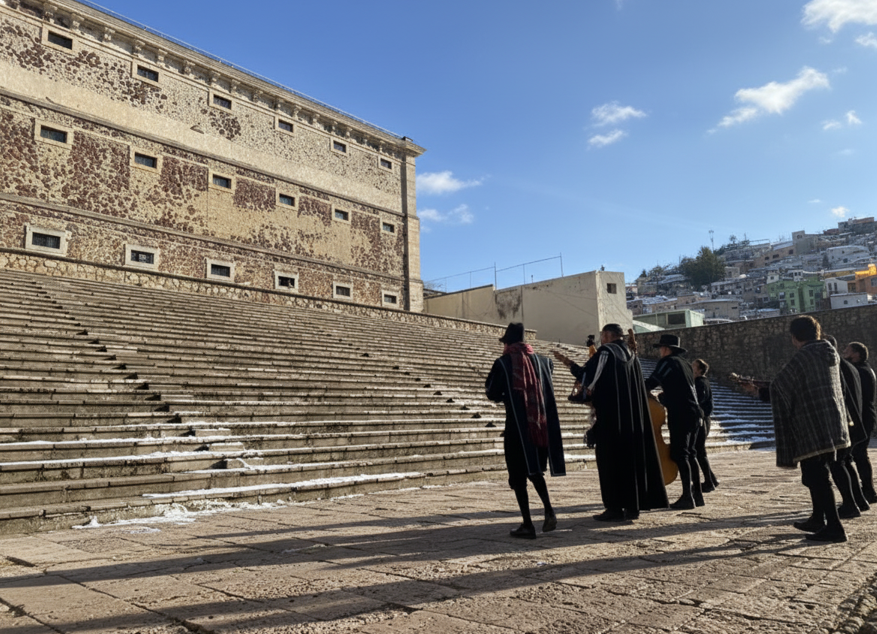
Musicians Performing by Alhóndiga de Granaditas during Cervantino Festival in Guanajuato
Every travel article highlights the positives. Few mention the real trade-offs.
The overtourism problem is real. Peak season (October-April) brings constant crowds to the historic center. The Jardín de la Unión can feel like a theme park. Restaurant quality has declined in the most touristy areas as establishments prioritize volume over excellence. The callejoneada routes get so crowded during high season that you might find yourself in a group of 50+ people, diluting the intimate experience.
The safety situation requires awareness. Guanajuato state has experienced cartel-related violence in certain areas outside the city. The historic city center remains generally safe for tourists, but traveling at night outside main tourist zones requires caution. Check current travel advisories before booking.
Accessibility is severely limited. The city’s steep hills, narrow cobblestone alleys, and lack of elevators make wheelchair access nearly impossible. Many older travelers find the constant stair-climbing exhausting. If you have mobility limitations, Guanajuato will present serious challenges.
This destination works best for:
- Culturally curious travelers comfortable with crowds
- Physically active visitors who can handle lots of walking and stairs
- People genuinely interested in Mexican history and traditions beyond surface-level experiences
- Those who appreciate colonial architecture and artistic communities
This destination disappoints:
- Travelers seeking quiet, undiscovered places
- Anyone with significant mobility limitations
- Visitors who prefer beach resorts and modern amenities
- Those uncomfortable with occasional chaos and unpredictability
Behind the Music: What You’re Actually Supporting
The Estudiantina of the University of Guanajuato, considered the first in all of the American continent, traces its origins to 1881, with its official debut at Cervantine short plays on April 13, 1963.
When you pay for a callejoneada, you’re directly supporting young local musicians. Most estudiantina members are university students earning supplemental income while keeping a tradition alive. The base ticket covers the performance. The tips at the end matter—they’re culturally expected and form a significant portion of the guides’ earnings. Plan to tip 50-100 pesos ($3-6) per person if you enjoyed the experience.
The economic model creates interesting dynamics. Multiple estudiantinas compete for customers every evening. Some maintain higher artistic standards. Others focus on crowd-pleasing entertainment. The best approach: ask locals or your hotel which estudiantina they recommend, or book through reputable platforms that vet quality.
The optional extras—roses for your partner, photos, drinks—generate income for separate vendors who work the routes. These sellers aren’t part of the estudiantina but form part of the ecosystem. Expect 2-3 sales pitches during the walk. You can politely decline without offense.
Cultural Code: Five Things Locals Know That Tourists Don’t
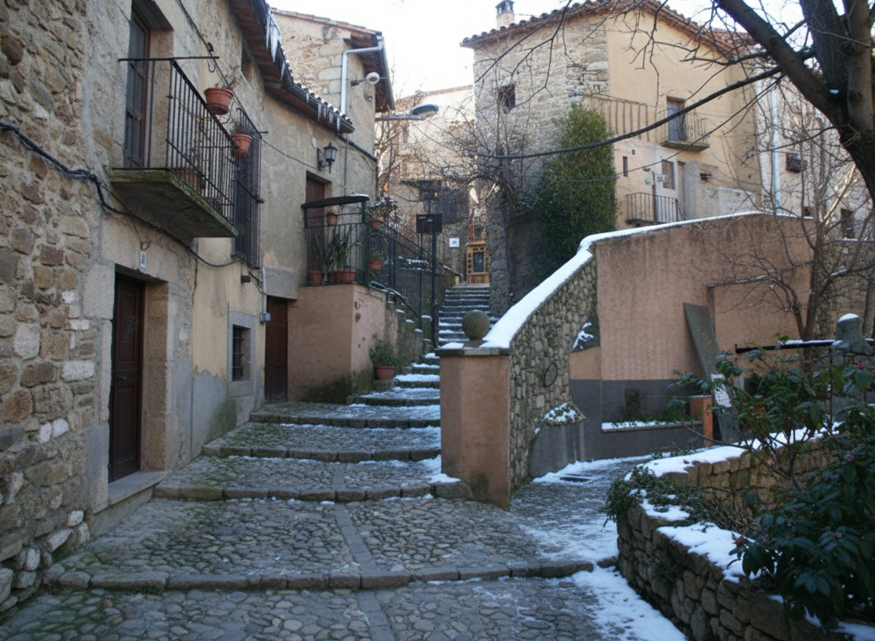
Cobbled Stone Alley in a Historic Village in Winter
1. The estudiantinas perform free concerts in Jardín de la Unión most evenings. You don’t need to book a callejoneada to hear the music. Around 7-9 PM, groups practice and perform in the main plaza. Grab a seat at one of the outdoor cafes, order a coffee or beer, and enjoy the soundtrack for free.
2. The Callejón del Beso has a “back door” entrance. Most tourists enter from the crowded main approach on Calle Campanero. Locals access it from Calle Alhóndiga, which leads directly to the kissing spot with fewer people. Visit before 10 AM or after 8 PM for the best chance at photos without crowds.
3. Festival Cervantino has “shadow programming.” Beyond the official schedule, local artists stage unofficial performances in plazas, bars, and street corners throughout October. Some of the best shows aren’t in the program—they’re happening spontaneously in response to the festival energy.
4. The university’s cultural center offers performances year-round. The Universidad de Guanajuato hosts concerts, theater, and art exhibitions regularly. Most events cost 50-100 pesos ($3-6) or are free for students. Check their cultural calendar for alternatives to tourist-focused entertainment.
5. Tuesday and Wednesday nights are “local nights” for callejoneadas. Most estudiantinas operate primarily on weekends when tourist volume peaks. Midweek tours tend to be smaller groups with more personalized attention and often include more locals celebrating special occasions.
Planning Your Guanajuato Visit: Timing and Logistics
- Best months for balanced experience: March-May and September. You’ll find pleasant weather, reasonable hotel prices ($50-100/night for quality accommodations), and manageable crowds.
- Months to avoid unless you love chaos: October (Festival Cervantino), Easter week (Semana Santa), Christmas-New Year. Hotel prices double or triple. Reservations become mandatory for everything.
- The bare minimum stay: Three nights. You need one evening for a callejoneada, one day for the historic center (museums, churches, plazas), and one day for surrounding attractions (La Valenciana mine, Diego Rivera museum, Alhóndiga).
- Getting there: The city sits 4-5 hours by bus from Mexico City ($20-30 USD). Del Bajío International Airport in León is 50 minutes away by car. Uber works well within the city but expect $25-35 USD for the airport transfer, or use shared shuttles through services like Bajio Go for $12-15 per person.
Booking callejoneadas: You have three options:
- Purchase tickets directly from uniformed estudiantina representatives in Jardín de la Unión (cheapest at 150 pesos/$8)
- Book online through GetYourGuide or Viator ($12-18, includes advance reservation and customer support)
- Book through local website callejoneadas.mx for direct contact with specific estudiantinas
The Living Memory Test
Here’s a simple way to judge if a tradition is real or manufactured for tourists: look at who participates when tourists aren’t watching.
On weeknights in Guanajuato, you’ll still find estudiantinas practicing in the Jardín de la Unión. Local families still bring their teenagers to callejoneadas for quinceañera celebrations and anniversaries. Elderly couples still walk to the Callejón del Beso on Saturday mornings, retelling the legend to their grandchildren.
The kiss on the third step started as folklore. It became a superstition. Now it exists as something harder to define—part tradition, part performance, part genuine ritual that people have invested with real meaning through repetition.
Carmen and Luis probably never existed. But the narrow alley does. The balconies are real. The city built around silver mines and colonial churches is tangible. The estudiantinas playing music in the streets continue a tradition with roots in Spanish university culture, adapted and transformed into something distinctly Mexican.
You don’t visit Guanajuato to find historical accuracy. You visit to experience how communities create and maintain meaning through stories, rituals, and shared cultural practices. The legend matters because people keep telling it. The callejoneadas matter because each generation of university students keeps the music alive.
That’s the real magic—not in the seven years of promised happiness, but in watching a city actively choose to remain connected to its past while navigating an uncertain tourism-driven future.